
 Better Water for
a Better Life
Better Water for
a Better Life

Are Forever Chemicals Dangerous to Human Health? Insights from a Reverse Osmosis System Installer in Cary, Illinois
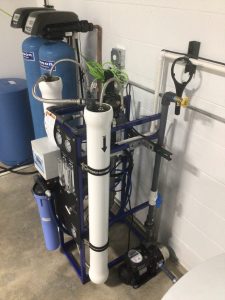
Forever chemicals can raise a lot of questions for homeowners, especially when they involve drinking water. These chemicals, also known as PFAS, have been studied because they can remain in the body and environment for long periods of time.
While not every exposure situation is the same, research has linked certain PFAS to potential health concerns. Below, this reverse osmosis system installer in Cary, Illinois is going to discuss what is currently known about the possible health risks of forever chemicals, why drinking water exposure matters, and how homeowners can take practical steps to better understand their water quality.
PFAS Can Build Up Over Time
One reason PFAS are often called forever chemicals is that many of them do not break down easily in the environment. Some PFAS can also remain in the human body for extended periods.
This matters because repeated exposure may increase the amount of certain PFAS in the body over time. Drinking water is one possible exposure source, especially in areas where PFAS have entered groundwater, surface water, or municipal water systems.
Health Risks Can Depend on Several Factors
PFAS exposure does not affect every person in the same way. Potential health risk can depend on the specific PFAS involved, how much exposure occurs, how long the exposure lasts, and how often a person is exposed.
A qualified reverse osmosis system installer in Cary, Illinois can help homeowners think through the water treatment side of the issue, but health-related questions should be discussed with a medical professional. Water testing can help identify whether PFAS are present in drinking water, while a healthcare provider can help address personal health concerns.
PFAS May Be Linked to Certain Health Effects
Research has suggested that exposure to some PFAS may be associated with several possible health effects. Scientists are still studying how different PFAS affect people, but public health agencies have identified several areas of concern.
Potential health concerns that have been studied include:
- Increased cholesterol levels
- Changes in liver enzymes
- Reduced immune response in some situations
- Increased risk of certain cancers
- Developmental concerns in some populations
These findings do not mean that every person exposed to PFAS will develop health problems. They do mean that reducing unnecessary exposure can be a reasonable step for homeowners who are concerned about drinking water quality.
Drinking Water Can Be One Exposure Pathway
People can be exposed to PFAS through different sources, including certain products, food packaging, contaminated soil, and some work environments. Drinking water is one pathway that receives a lot of attention because it can lead to repeated exposure over time.
If PFAS are present in a home’s drinking water, daily activities like drinking, cooking, making coffee, or preparing formula can contribute to exposure. This is why homeowners who are concerned about forever chemicals often start by testing their water.
PFAS Cannot Be Detected by Taste or Smell
One of the challenges with PFAS is that they cannot be seen, smelled, or tasted in drinking water. Water may look clear and taste normal even if certain contaminants are present.
Testing is the only way to know whether PFAS are detected in a specific water supply. This can be especially important for homes that use private wells, homes near known contamination areas, or homeowners who have received notices about PFAS in a local water system.
Reverse Osmosis May Help Reduce Certain PFAS
Reverse osmosis is commonly discussed as a drinking water treatment option because it uses a membrane to help reduce many dissolved substances. Certain reverse osmosis systems may help reduce specific PFAS when the equipment is properly selected and maintained.
An honest reverse osmosis system installer in Cary, Illinois can help you review available treatment options and understand what type of system may be appropriate for your home. It is also important to understand maintenance requirements, because filters and membranes must be replaced as recommended for the system to continue performing properly.
Homeowners Should Review Their Water Quality
PFAS concerns are not always obvious from the outside. A home does not need to be near visible pollution for water testing to be useful. Contamination can move through groundwater, surface water, and environmental pathways over time.
Homeowners in the Cary area who are concerned about forever chemicals may want to start with a water test and then review treatment options based on the results. This can help make the decision more informed instead of relying on guesswork.
Reducing Exposure Can Be a Practical Goal
Because PFAS may be linked to health concerns, many homeowners choose to focus on reducing exposure where possible. Drinking water treatment is one practical step, especially when testing shows that PFAS are present.
The right approach depends on the water source, test results, household needs, and the type of contaminants detected. A professional evaluation can help homeowners better understand which treatment options may make sense for their situation.
Looking for a Reverse Osmosis System Installer in Cary, Illinois?
Forever chemicals may be dangerous to human health because exposure to certain PFAS has been linked to potential effects involving cholesterol, liver function, immune response, and certain cancers. If you are concerned about PFAS in your drinking water, a professional reverse osmosis system installer in Cary, Illinois can help you review treatment options for your home.
At Johnson Water Conditioning, we provide reverse osmosis systems for homeowners throughout Cary and the surrounding communities. Contact us to schedule a consultation and learn more.