
 Better Water for
a Better Life
Better Water for
a Better Life

What Is the Difference Between PFAS, PFOA, and PFOS? A Reverse Osmosis System Installer in Carol Stream, Illinois Explains
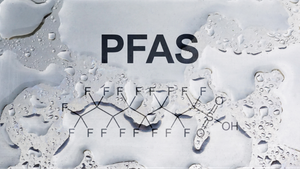
PFAS, PFOA, and PFOS are often discussed together, which can make the terminology confusing. PFAS is the name for a broad family of manufactured chemicals, while PFOA and PFOS are two specific chemicals within that larger group.
Below, this reverse osmosis system installer in Carol Stream, Illinois is going to explain how these terms are related, why PFOA and PFOS receive so much attention, and what homeowners should know when evaluating drinking-water treatment options.
What Does PFAS Mean?
PFAS stands for per- and polyfluoroalkyl substances.
Rather than referring to one chemical, PFAS describes a large family of substances that have been used in a variety of industrial processes and consumer products because of their resistance to water, grease, and heat.
Their chemical properties also make many PFAS slow to break down in the environment, which is why they are commonly called forever chemicals.
A good reverse osmosis system installer in Carol Stream, Illinois can help you understand treatment options if PFAS has been identified as a concern in your drinking water.
Are PFOA and PFOS Types of PFAS?
Yes. PFOA and PFOS are individual compounds that belong to the larger PFAS family.
PFOA stands for perfluorooctanoic acid, while PFOS stands for perfluorooctane sulfonic acid.
Both were widely used for many years and have been studied extensively because of their persistence in the environment and their potential effects on human health.
So, while every PFOA or PFOS molecule is a PFAS, the term PFAS includes many other compounds as well.
Why Do PFOA and PFOS Get So Much Attention?
PFOA and PFOS are among the best-known PFAS because they were produced and used extensively for decades.
They can persist for long periods and have been detected in water, soil, wildlife, and people. Their widespread historical use also means they are frequently included in drinking-water testing and discussions about PFAS contamination.
Newer PFAS compounds may have different properties, so homeowners should not assume that testing for one or two compounds provides information about every possible PFAS.
Can PFAS Get Into Drinking Water?
Yes. PFAS can enter water supplies through several pathways.
Industrial activity, firefighting foam, waste disposal, and contaminated soil or groundwater can all contribute to PFAS entering the environment. Once present, certain compounds can move through water and remain there for extended periods.
An experienced reverse osmosis system installer in Carol Stream, Illinois can help homeowners evaluate drinking-water treatment options when testing identifies PFAS or other contaminants of concern.
How Do I Know If My Water Contains PFAS?
Testing is the most reliable way to determine whether PFAS is present.
Forever chemicals generally cannot be detected by taste, smell, or appearance. Clear water that tastes normal can still contain substances that are not noticeable without laboratory analysis.
The testing method also matters because different analyses may look for different groups of PFAS compounds.
Knowing what has actually been detected gives you a better starting point for selecting treatment equipment.
Can Reverse Osmosis Reduce PFOA and PFOS?
Reverse osmosis is commonly used to reduce certain PFAS compounds, including PFOA and PFOS, in drinking water.
RO systems force water through a semipermeable membrane that separates many dissolved substances from the treated water. Most residential systems also use additional filtration stages, such as sediment and activated-carbon filters.
The performance of any system depends on its design, condition, maintenance, and the contaminants present in the source water.
Does One Treatment Method Remove Every PFAS?
Not necessarily.
Because PFAS includes many compounds with different characteristics, treatment effectiveness can vary. Some filtration technologies may perform better against certain PFAS than others.
For homeowners in Carol Stream, Illinois, water testing and careful comparison of treatment technologies can provide a more useful approach than selecting a filter based solely on general claims about contaminant removal.
Why Does the Difference Between PFAS, PFOA, and PFOS Matter?
Understanding the terminology helps you interpret water-testing results and product information more accurately.
A test result that identifies PFOA or PFOS is referring to specific PFAS compounds. A broader PFAS result may include several different substances.
At Johnson Water Conditioning, we help homeowners understand their water-quality concerns and compare treatment options based on the contaminants they want to address.
Looking for a Reverse Osmosis System Installer in Carol Stream, Illinois?
PFAS describes a broad family of chemicals, while PFOA and PFOS are two individual members of that family. A professional reverse osmosis system installer in Carol Stream, Illinois can help you understand how reverse osmosis works and whether it fits your drinking-water treatment goals.
At Johnson Water Conditioning, we provide water treatment solutions for homeowners throughout the area. Contact us to learn more about reverse osmosis and improving the quality of your drinking water.