
 Better Water for
a Better Life
Better Water for
a Better Life

Can City Water Contain Forever Chemicals? A Reverse Osmosis System Installer in Crystal Lake, Illinois Explains
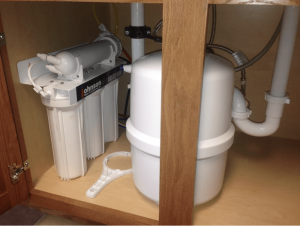
Many homeowners assume that city water is automatically free from contaminants because it undergoes municipal treatment before reaching residential properties. While public water systems are regulated and tested for many substances, growing attention has recently focused on whether municipal water supplies may still contain trace levels of certain chemicals known as PFAS, or “forever chemicals.”
As awareness surrounding water quality continues to increase, more homeowners are researching how PFAS may enter municipal water systems and what types of filtration options may help address these concerns. Below, this reverse osmosis system installer in Crystal Lake, Illinois is going to explain how forever chemicals can affect city water supplies, and we’ll also review why many homeowners are exploring additional water treatment solutions.
What Are Forever Chemicals?
Forever chemicals are commonly known as PFAS, which stands for per- and polyfluoroalkyl substances.
These synthetic chemicals have been used in manufacturing and industrial applications for decades because of their resistance to heat, moisture, grease, and stains. However, PFAS compounds break down very slowly over time, allowing them to remain in the environment for extended periods.
Because of this long-term persistence, PFAS are often referred to as forever chemicals.
Municipal Water Systems Can Still Be Affected
Although city water treatment facilities remove many contaminants, PFAS contamination may still be detected in certain municipal water systems.
Potential sources of PFAS contamination may include:
- Industrial discharge
- Firefighting foam runoff
- Landfills and waste sites
- Groundwater contamination
- Environmental runoff entering water sources
If PFAS enter lakes, rivers, or groundwater supplies connected to municipal systems, trace amounts may eventually appear in treated drinking water.
A good reverse osmosis system installer in Crystal Lake, Illinois can help you understand how the right water filtration systems can help address certain drinking water concerns.
PFAS Are Difficult to Break Down
One reason PFAS have become a growing topic in water quality discussions is because these chemicals are highly resistant to natural breakdown.
Unlike some contaminants that degrade over time, PFAS may remain present in water supplies for long periods. Researchers and regulatory agencies continue studying how these substances move through the environment and how exposure levels should be monitored.
Municipal Water Testing Has Increased
As awareness of PFAS contamination has grown, testing efforts have also expanded in many areas.
Water quality monitoring may evaluate:
- Public water supplies
- Groundwater sources
- Environmental contamination sites
- Municipal treatment systems
Testing standards and regulatory guidelines continue evolving as more information becomes available regarding PFAS exposure and long-term environmental management.
Homeowners Often Explore Additional Filtration
Some homeowners choose to explore additional household filtration systems even when connected to city water supplies.
Reverse osmosis systems are commonly discussed because they are designed to reduce certain contaminants through specialized membrane filtration technology. Depending on the system and local water conditions, reverse osmosis filtration may help address substances associated with water quality concerns.
Your reverse osmosis system installer in Crystal Lake, Illinois can help explain how reverse osmosis systems function and whether additional water treatment solutions may be appropriate based on household water conditions.
Water Quality Awareness Continues to Grow
Public awareness regarding drinking water quality has increased significantly in recent years.
More homeowners are becoming proactive about:
- Water testing
- Filtration systems
- Drinking water monitoring
- Long-term water quality planning
Understanding that municipal water systems may still contain trace contaminants can help homeowners make more informed decisions regarding household water treatment options.
Water Testing May Provide Additional Clarity
Because PFAS are generally not visible, odorless, or tasteless, homeowners often rely on professional water testing for additional information about local water conditions.
Testing may help determine whether certain contaminants are present and whether additional filtration systems should be considered.
Looking for a Reverse Osmosis System Installer in Crystal Lake, Illinois?
Municipal water systems can still contain trace levels of forever chemicals depending on environmental conditions and local water sources. A professional reverse osmosis system installer in Crystal Lake, Illinois can help you better understand your water treatment options and explain how reverse osmosis systems can help support cleaner household water.
At Johnson Water Conditioning, we help homeowners evaluate water filtration and purification solutions designed to improve overall water quality and long-term peace of mind. Contact us to learn more about our reverse osmosis systems and residential water treatment services.