
 Better Water for
a Better Life
Better Water for
a Better Life

What Are Common Sources of PFAS Contamination Near Homes? Insights from a Reverse Osmosis System Installer in Hoffman Estates, Illinois
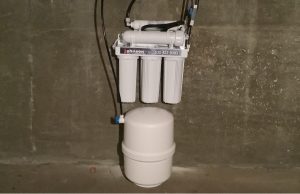
PFAS contamination has become a growing concern for homeowners who want to better understand what may be in their drinking water. PFAS are sometimes called “forever chemicals” because certain types can persist in the environment for a long time and may move through soil, groundwater, and surface water.
Because PFAS can come from many different sources, it is important to understand how contamination may reach local water supplies. Below, this reverse osmosis system installer in Hoffman Estates, Illinois is going to explain where PFAS contamination can come from near homes.
What Are PFAS?
PFAS are a group of synthetic chemicals that have been used in many industrial, commercial, and consumer products. They are known for resisting water, oil, grease, and heat.
Because of these properties, PFAS have been used in certain coatings, packaging, stain-resistant materials, nonstick products, firefighting foams, and manufacturing processes. Over time, some PFAS can enter the environment and remain there for long periods.
This is why many homeowners are paying closer attention to drinking water quality.
How Can PFAS Get Into Drinking Water?
PFAS can get into drinking water when contaminated water sources are used for a public water supply or private well. Contamination may come from industrial discharge, runoff, landfills, wastewater, firefighting foam use, or contaminated soil and groundwater.
Once PFAS enter the environment, they can move through water systems and become difficult to remove without the right treatment approach.
Your reverse osmosis system installer in Hoffman Estates, Illinois can help you understand your treatment options if PFAS are a concern in your drinking water.
Can Industrial Sites Contribute to PFAS Contamination?
Yes. Some industrial sites can contribute to PFAS contamination if PFAS-containing materials were used, manufactured, stored, or discharged there.
Facilities that used coatings, metal finishing processes, plastics, chemical treatments, or other PFAS-related materials may be possible sources of contamination. The risk depends on the specific facility, its history, and how materials were handled.
Industrial sources are one reason PFAS contamination can vary from one area to another.
Can Firefighting Foam Be a Source of PFAS?
Yes. Certain firefighting foams have historically contained PFAS. These foams were often used for fuel fires and may have been used at airports, military sites, fire training areas, and industrial facilities.
When PFAS-containing foam is used repeatedly in one location, it can contaminate soil, groundwater, or nearby surface water. From there, PFAS may move through the environment.
This type of source can be especially important near training sites or areas where large-scale fire suppression was used.
Can Landfills and Waste Sites Contribute to PFAS?
Yes. Landfills and waste sites can contribute to PFAS concerns because products containing PFAS may end up in the waste stream. As water moves through a landfill, it can carry contaminants into landfill leachate.
If that leachate is not properly contained or treated, it may become part of a broader water quality concern. Wastewater treatment facilities may also receive PFAS from homes, businesses, and industrial users.
For homeowners in the Hoffman Estates area, water testing is the best way to understand whether PFAS are present in a specific home’s drinking water.
Can Everyday Products Be Connected to PFAS?
Yes. Some everyday products have been connected to PFAS because the chemicals have been used to resist stains, grease, water, or heat.
PFAS have been found in or associated with certain food packaging, stain-resistant fabrics, water-resistant materials, nonstick products, cleaning products, and other consumer goods. These products do not always directly contaminate a home’s drinking water, but they can contribute to the larger environmental presence of PFAS.
This is part of why PFAS are considered widespread.
Are Private Wells at Risk for PFAS?
Private wells can be at risk for PFAS if they draw from groundwater affected by nearby contamination sources. Possible sources may include industrial properties, landfills, wastewater areas, firefighting foam use, or contaminated runoff.
Private well owners are often responsible for testing their own water. If a home uses a private well and there are known PFAS concerns nearby, testing can help clarify what is truly present.
Water treatment decisions should be based on the results of reliable testing.
Can Public Water Supplies Have PFAS Concerns?
Yes. Public water supplies can have PFAS concerns if the source water contains PFAS. Public systems are monitored and regulated, but homeowners may still want to understand local water reports and testing information.
PFAS levels can vary depending on the water source and treatment methods used by the water provider. A homeowner who is concerned about PFAS should review available water quality information and consider testing if they want more specific information.
A good reverse osmosis system installer in Hoffman Estates, Illinois can help explain how point-of-use drinking water treatment fits into a broader water quality plan.
What Should Homeowners Do If They Are Concerned About PFAS?
Homeowners who are concerned about PFAS should start by reviewing their local water quality information and considering a water test. Testing can help show whether PFAS are present and whether treatment should be considered.
If PFAS are detected, a properly selected reverse osmosis system may help reduce certain PFAS in drinking water. The system should be chosen based on the water quality concern, the home’s needs, and the type of drinking water treatment desired.
The right next step depends on the test results.
Looking for a Reverse Osmosis System Installer in Hoffman Estates, Illinois?
Common sources of PFAS contamination near homes may include industrial sites, firefighting foam use, landfills, wastewater facilities, contaminated runoff, consumer products, public water sources, and private wells affected by nearby groundwater contamination. If you are concerned about PFAS in your drinking water, a reverse osmosis system installer in Hoffman Estates, Illinois can help you review your treatment options.
At Johnson Water Conditioning, we help homeowners evaluate water filtration and purification solutions designed to improve drinking water quality. Contact us to learn how a reverse osmosis system can help address PFAS concerns in your home’s drinking water.