
 Better Water for
a Better Life
Better Water for
a Better Life

How Can I Test My Water for PFAS Contamination? A Reverse Osmosis System Installer in Northbrook, Illinois Explains
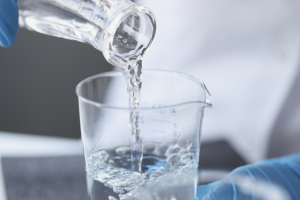
Testing is the only reliable way to know whether PFAS are present in your drinking water. PFAS cannot be seen, smelled, or tasted, so homeowners should not assume their water is free of these contaminants based on appearance alone.
PFAS testing requires specific laboratory methods, which is why it’s important to use the right type of test and follow the collection instructions carefully. Below, this reverse osmosis system installer in Northbrook, Illinois is going to explain how homeowners can test their water for PFAS contamination.
Why Should Homeowners Test for PFAS?
Homeowners may want to test for PFAS if they are concerned about drinking water quality, live near a known contamination area, use a private well, or want more specific information about what is in their water.
Testing can help confirm whether PFAS are present and whether treatment should be considered. Without test results, it is difficult to know whether a home has a PFAS concern or which treatment options may be appropriate.
A water test gives homeowners a clearer starting point.
Can I Tell If My Water Has PFAS Without Testing?
No. You cannot tell whether water contains PFAS by looking at it, smelling it, or tasting it. PFAS contamination is not something homeowners can reliably detect on their own.
Water may look clear and still contain contaminants. This is why laboratory testing is important when PFAS are a concern.
An experienced reverse osmosis system installer in Northbrook, Illinois can help homeowners understand how testing fits into a broader drinking water treatment plan.
Should I Review My Local Water Quality Information First?
Yes. If your home receives public water, reviewing local water quality information can be a helpful first step. Public water systems may provide reports or testing information that can help you understand whether PFAS have been detected in the water supply.
This information may not tell you everything about water at your specific tap, but it can help you understand whether PFAS have been identified in your area.
If you want more specific information about your home’s drinking water, a separate water test may still be useful.
What If I Have a Private Well?
If you have a private well, you may be responsible for arranging your own testing. Private wells are not monitored in the same way as public water systems, so homeowners often need to take a more active role in checking water quality.
PFAS testing may be especially worth considering if your well is near a known contamination concern, industrial area, landfill, firefighting foam use area, or another potential source.
For homeowners in the Northbrook area, private well testing can help clarify what is present in the water used inside the home.
What Kind of Lab Should Be Used for PFAS Testing?
PFAS testing should be performed by a qualified laboratory that uses appropriate testing methods for drinking water. This matters because PFAS testing is more specialized than many basic water tests.
Homeowners should ask whether the lab performs PFAS analysis, which compounds are included, what sample containers are required, and how the results will be reported.
Using the right lab helps make the test results more useful and reliable.
How Is a PFAS Water Sample Collected?
A PFAS water sample is usually collected in special containers provided by the laboratory. The lab should give specific instructions for where to collect the sample, how long to run the water, how to handle the container, and how quickly the sample needs to be returned.
It is important to follow the instructions closely. PFAS testing can be sensitive, and improper collection may affect the quality of the results.
Avoid guessing or using a regular bottle from home unless the laboratory specifically instructs you to do so.
Should I Test Treated or Untreated Water?
It depends on what you want to learn. Testing untreated water can show whether PFAS are present before any home treatment system. Testing treated water can help show whether a filtration or reverse osmosis system is reducing PFAS at the tap.
Some homeowners may choose to test both so they can compare results. This can be especially useful when evaluating how well a drinking water system is performing.
A good reverse osmosis system installer in Northbrook, Illinois can help you think through which sampling point makes sense for your situation.
What Do PFAS Test Results Show?
PFAS test results may show whether certain PFAS compounds were detected and at what levels. The report may include several individual compounds, because PFAS refers to a large group of chemicals rather than one single contaminant.
The results should be reviewed carefully. Detection of one PFAS compound does not always mean the same thing as detection of another, and treatment decisions should be based on the specific results.
If the report is confusing, it can help to review it with a water quality professional or appropriate health agency.
What Should I Do If PFAS Are Found?
If PFAS are found, the next step is to review the results and consider treatment options for drinking water. Reverse osmosis is one treatment option that may help reduce certain PFAS when the system is properly selected, installed, and maintained.
The right approach depends on the test results, the home’s water use, and whether treatment is needed at one drinking water location or across a larger area of the home.
Testing should guide the treatment decision rather than guessing.
Looking for a Reverse Osmosis System Installer in Northbrook, Illinois?
PFAS testing should be done through a qualified laboratory using appropriate drinking water testing methods. If you are concerned about PFAS, a reverse osmosis system installer in Northbrook, Illinois can help you understand how testing results may relate to drinking water treatment options for your home.
At Johnson Water Conditioning, we help homeowners evaluate water filtration and purification solutions for drinking water concerns. Contact us to review your PFAS testing results and learn whether a reverse osmosis system may be the right next step for your home.