
 Better Water for
a Better Life

How Often Should PFAS Reverse Osmosis Filters Be Replaced? Insights from a Reverse Osmosis System Installer in Riverwoods, Illinois
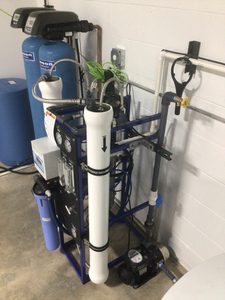
Reverse osmosis systems rely on several filtration components working together to reduce contaminants in drinking water. When PFAS are a concern, regular maintenance is especially important because filters and membranes lose effectiveness over time.
There is not one replacement schedule that applies to every reverse osmosis system. The correct timing depends on the system design, the individual filter, water quality, and household use. Below, this reverse osmosis system installer in Riverwoods, Illinois is going to explain how often RO filters may need to be replaced and why following the manufacturer’s maintenance schedule matters.
How Often Should Reverse Osmosis Filters Be Replaced?
Replacement intervals vary by component.
Many point-of-use RO systems require pre-filters to be replaced about every six to twelve months, while the reverse osmosis membrane may last several years. The manufacturer’s instructions for the specific system should always guide the schedule.
A qualified reverse osmosis system installer in Riverwoods, Illinois can review the equipment and water conditions to determine when each component should be serviced.
Does PFAS Change the Filter Replacement Schedule?
Not necessarily by itself.
PFAS are only one group of contaminants that may be present in the water. Sediment, chlorine, minerals, dissolved solids, and other substances can also affect filter and membrane life.
Household water use and incoming water quality can influence how quickly components become loaded.
What Do the Pre-Filters Do?
Pre-filters protect the reverse osmosis membrane from material that could interfere with its performance.
A sediment filter can capture suspended particles, while activated carbon pre-filters can reduce chlorine and certain organic compounds before the water reaches the membrane. Replacing these filters as recommended helps protect the more specialized RO membrane downstream.
For homeowners in Riverwoods, Illinois, the condition of the incoming water can affect how frequently these pre-filters need attention.
How Often Does the RO Membrane Need Replacement?
RO membranes generally last longer than disposable pre-filters.
EPA guidance notes that many residential RO membranes may need replacement approximately every one to five years, depending on local water quality and use. Some systems may call for a different interval, so follow the product manual and system performance.
The membrane is the component responsible for separating many dissolved contaminants from the treated water, making proper maintenance important to continued performance.
What About the Carbon Post-Filter?
Many RO systems include a carbon polishing filter after the storage tank.
This filter helps improve the taste and odor of the treated water before it reaches the faucet. Like other cartridge filters, it requires periodic replacement based on the manufacturer’s instructions and the amount of water processed.
An experienced reverse osmosis system installer in Riverwoods, Illinois can identify the different filters in the system and explain which ones are due for replacement.
How Can I Tell If My Filters Need Attention?
Changes in water production, pressure, taste, or odor can indicate that an RO system needs maintenance.
Lower treated-water production may point to a clogged pre-filter or an aging membrane.
However, waiting for an obvious change is not the best maintenance strategy. A filter can be overdue before the water looks, smells, or tastes different.
Can Water Testing Help Determine Whether the System Is Working?
Yes.
Testing can provide information about the quality of the incoming and treated water and may help evaluate whether the system is reducing the contaminants of concern.
PFAS cannot be reliably detected by taste, smell, or appearance, so laboratory testing is required if you want to know whether specific PFAS are present.
At Johnson Water Conditioning, we help homeowners evaluate their water and maintain reverse osmosis systems based on the equipment, water conditions, and recommended service schedule.
Why Is Routine Filter Replacement Important?
Regular replacement helps the system continue operating as designed.
As filters collect sediment and other contaminants, water flow and treatment performance can decline. Maintaining the pre-filters can also help protect the RO membrane and support its useful life.
Following the manufacturer’s schedule is more reliable than waiting until a problem becomes noticeable.
Looking for a Reverse Osmosis System Installer in Riverwoods, Illinois?
PFAS does not create one universal filter-change schedule for every reverse osmosis system. A professional reverse osmosis system installer in Riverwoods, Illinois can help you understand when the pre-filters, post-filter, and RO membrane should be replaced based on your specific equipment and water conditions.
At Johnson Water Conditioning, we provide reverse osmosis systems, water testing, and ongoing filter maintenance for homeowners who want to keep their drinking-water system operating properly. Contact us to review your system and determine when your filters should be changed.