
 Better Water for
a Better Life
Better Water for
a Better Life

Does a Water Softener Use a Lot of Water During Normal Use? Insights From a Pentair Water Softening Company in Downers Grove, Illinois
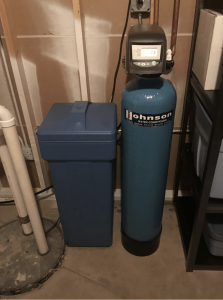
If you are thinking about installing a water softener, you may want to know how much water it truly uses. That’s where we can help. Below, this Pentair water softening company in Downers Grove, Illinois is going to explain how much water a water softener uses during normal operation.
When does a water softener use water?
A water softener does not use extra water during daily operation. It softens water without sending additional water down the drain.
Extra water use occurs only during regeneration, the cleaning cycle that restores the softening material so it can continue removing hardness from the water. Regeneration runs automatically during low-use periods (for example, overnight) to minimize disruption.
How much water is used during a regeneration cycle?
Most modern home water softeners use about 40 to 75 gallons of water per regeneration cycle. This amount sounds high until you consider how often regeneration happens.
Many water softeners regenerate every few days or even once a week. When averaged out over a month, the added water use is usually small.
Water use during regeneration can vary from household to household. Homes that use more water or have harder water can trigger regeneration more frequently.
System size is also a factor. A properly sized water softener regenerates efficiently, while an undersized one could waste water by regenerating too frequently. This is why a professional Pentair water softening company in Downers Grove, Illinois will always perform water testing and system sizing before installation.
What makes Pentair water softeners more water efficient?
Pentair water softeners are engineered to reduce unnecessary water use. While many timer-based softeners regenerate on a fixed schedule, many Pentair water softeners use demand-initiated regeneration. This technology regenerates the system only when needed.
This technology monitors actual household water usage and tracks how much hardness the resin has removed. Regeneration starts only when the water softener reaches capacity and not on a preset timetable. By avoiding unnecessary cleaning cycles, on-demand regeneration saves water and reduces salt use.
Smart controls also regulate how much water each regeneration cycle uses. These features help the softener run more efficiently over time.
Your local Pentair water softening company in Downers Grove, Illinois can explain these efficiency benefits in more detail. They can also help you learn which water softener is best for your home.
What’s the difference between single-tank and twin-tank softeners?
Water softener design also affects water usage and performance.
Single-tank water softeners use one resin tank and maintain a small reserve of soft water. During regeneration, the system temporarily stops softening water. As a result, hard water may be used until the cycle is complete. These water softeners are compact and cost-effective, but they may be less ideal for homes with high water demand.
Twin-tank water softeners, on the other hand, use two resin tanks. One tank softens water while the other remains on standby. When the first tank is exhausted, the water softener automatically switches to the second tank and the used tank regenerates only after it is fully depleted. This design provides continuous soft water and reduces unnecessary regeneration.
Looking for a Pentair water softening company in Downers Grove, Illinois?
If you are searching for a trusted Pentair water softening contractor in Downers Grove, Illinois, look no further than Johnson Water Conditioning. Serving Chicagoland since 1936, our experienced team is proud to be an authorized provider of Pentair water softening solutions for both residential and commercial properties. Contact us today to learn more about our Pentair water softeners.