
 Better Water for
a Better Life
Better Water for
a Better Life
Can Hard Water Damage Your Water Heater? Insights from a Pentair Water Softening Company in Libertyville, Illinois
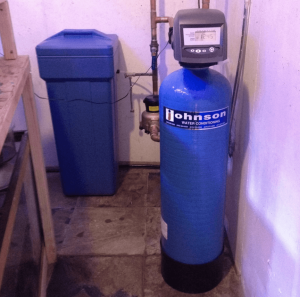
Many homeowners notice the visible effects of hard water, but few realize the damage it can cause inside appliances like water heaters. Below, this Pentair water softening company in Libertyville, Illinois is going to explain how hard water can affect your water heater and its performance over time.
How does hard water affect your water heater?
Homes in Libertyville, Illinois typically receive treated municipal water with an average hardness level of about 8 grains per gallon (approximately 137 mg/L as calcium carbonate). Water at this level is generally classified as moderately hard to hard.
Hard water contains dissolved minerals, primarily calcium and magnesium. These minerals naturally enter groundwater as it moves through limestone and other mineral-rich rock formations before being treated and delivered through municipal water systems. While these minerals are safe to consume, they can gradually affect plumbing systems and appliances that use heated water.
When hard water is heated inside a water heater, the dissolved minerals separate from the water and settle at the bottom of the tank. Over time and through repeated heating cycles, this sediment hardens into a layer of mineral scale called limescale.
This buildup creates a barrier between the heating source and the water. Because scale does not conduct heat as effectively as the metal surfaces of the tank or heating element, the heater must run longer to reach the desired temperature. As a result, energy consumption increases, and the system becomes less efficient.
As the sediment layer thickens, it can also put more strain on the water heater’s components. Mineral buildup can cause overheating, excessive wear on heating elements, corrosion inside the tank, reduced hot-water capacity and an increased risk of mechanical failure.
If you want to learn about the effects of hard water in detail, you can always talk to your local Pentair water softening company in Libertyville, Illinois.
What are the signs of hard water damage in a water heater?
One of the most common warning signs of hard water buildup is an unusual rumbling or crackling sound from the water heater. These sounds result from water trapped beneath layers of hardened sediment. As the heater runs, the trapped water turns into steam and forces its way through the mineral deposits. This produces the popping or rumbling sounds.
Another indicator of hard water problems is a reduced or inconsistent hot water supply. As mineral deposits form a buildup, they take up space inside the tank and reduce its effective capacity. In other words, there is less usable hot water available during each heating cycle.
The buildup also slows heating and forces the system to run longer to keep up with household demand. Over time, you may notice your water heater taking longer to produce hot water or failing to maintain a consistent temperature.
Because the heater must operate longer to overcome mineral buildup, many households also see a gradual increase in energy costs. If the problem continues unchecked, scale accumulation can eventually lead to overheating, damage to internal components, leaks or a shortened lifespan for the water heater.
An experienced Pentair water softening company in Libertyville, Illinois can find these warning signs during a system inspection. They can then address the root cause to prevent costly repairs and protect your water heater’s long-term performance.
Looking for a Pentair water softening company in Libertyville, Illinois?
If you’re searching for a trusted Pentair water softening company in Libertyville, Illinois, look no further than Johnson Water Conditioning. Our team helps homeowners identify hard water problems and install Pentair water softeners to protect plumbing systems and appliances. Contact us today to learn more about our water softeners.