
 Better Water for
a Better Life
Better Water for
a Better Life

How Often Should I Add Salt to My Water Softener? A Pentair Water Softening Company in Riverwoods, Illinois Explains
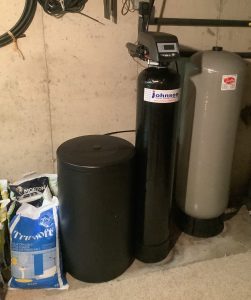
Your water softener needs salt to keep working properly. Without enough salt in the brine tank, the system may not be able to regenerate as needed, which can allow hard water problems to return.
Below, this Pentair water softening company in Riverwoods, Illinois is going to discuss how often you should add salt to your water softener, and we’ll also discuss some signs that your system needs attention.
Check the Salt Level Regularly
Most homeowners should get into the habit of checking the salt level in the brine tank on a regular basis. For many households, checking once a month is a good starting point.
If your home uses a lot of water, or if your water is especially hard, you may need to check more often. If your household uses less water, the salt may last longer between refills.
The key is to avoid waiting until the tank is completely empty before adding more salt.
Keep Salt Above the Water Level
A good rule of thumb is to keep the salt level above the water level in the brine tank. If you can see water above the salt, it is usually time to add more.
The exact amount of salt your system needs can vary based on the water softener, household water use, water hardness, and system settings. Water conditions can vary from one home to another in the Riverwoods area, which is why it helps to understand how your specific system is performing.
Keeping enough salt in the tank helps the system regenerate properly and continue reducing hardness minerals.
Avoid Letting the Tank Run Empty
If the brine tank runs out of salt, the water softener may not be able to recharge the resin inside the system. When that happens, hard water can start moving through your plumbing again.
You may notice spots on dishes, dry skin, stiff laundry, soap that does not lather well, or mineral buildup around fixtures. These signs can mean the system is not softening the water the way it should.
If the tank has been empty for a while, simply adding salt may not restore performance immediately. The system may need time to regenerate, or it may need to be checked by a professional.
Do Not Overfill the Brine Tank
While it is important to keep enough salt in the tank, overfilling it can also create problems. If the tank is packed too full, salt can harden, bridge, or clump together.
A salt bridge forms when a hard crust develops inside the tank, creating an empty space between the salt and the water below. When this happens, the system may look like it has plenty of salt, but the salt is not dissolving properly.
A Pentair water softening company in Riverwoods, Illinois can inspect the tank if you suspect salt bridging or if your water still feels hard even though the tank appears full.
Watch for Salt Mushing
Salt mushing is another issue that can affect water softener performance. This happens when salt breaks down and forms a thick sludge at the bottom of the brine tank.
When salt turns into mush, it can prevent the system from drawing brine properly during regeneration. This can reduce softening performance and may require cleaning out the tank.
If your water softener is using salt but your water still feels hard, salt mushing may be one of the possible causes.
Water Use Affects Salt Consumption
Every household uses water differently. A larger household, frequent laundry, long showers, or regular dishwasher use can all increase how often the system regenerates.
The more often the system regenerates, the more salt it will typically use. This means your neighbor’s salt schedule may not match yours, even if you have similar water softeners.
Your salt use should be based on your own household habits, not a one-size-fits-all timeline.
Water Hardness Also Matters
The hardness of your water can affect how much salt your system uses. Harder water contains more minerals, which means the system may need to work harder to soften the water.
If your water softener was not set based on your actual water hardness, it may use too much or too little salt. This can affect both performance and efficiency.
A Pentair water softening company in Riverwoods, Illinois can test your water and review your system settings to make sure they match your home’s needs.
Use the Right Type of Salt
Not all water softener salt is the same. Some systems work better with certain types of salt, such as pellets, crystals, or other recommended options.
Using the wrong type of salt can contribute to buildup, bridging, or other performance issues. It is always best to follow the manufacturer’s recommendations or ask a water treatment professional which type of salt is appropriate for your system.
The right salt can help your water softener run more smoothly over time.
Pay Attention to Changes in Your Water
Your water can often tell you when something is wrong. If your dishes start spotting, your laundry feels different, your skin feels dry, or you notice scale around faucets and showerheads, the water softener may not be working properly.
Low salt is one possible cause, but it is not the only one. The system may also have a salt bridge, incorrect settings, a clogged part, or another issue that needs attention.
If adding salt does not improve the water after the system regenerates, it may be time to schedule service.
Looking for a Pentair Water Softening Company in Riverwoods, Illinois?
How often you add salt to your water softener depends on your water use, water hardness, system settings, and the size of the brine tank. If you are unsure whether your system is using salt properly, a Pentair water softening company in Riverwoods, Illinois can inspect your equipment and help you understand what your system needs.
At Johnson Water Conditioning, we help homeowners maintain water softening systems that fit their household needs and water quality concerns. Contact us to schedule a free consultation and get help keeping your water softener working properly.