
 Better Water for
a Better Life
Better Water for
a Better Life

How Do I Know If My Water Softener Is Working Properly? A Pentair Water Softening Company in Vernon Hills, Illinois Explains
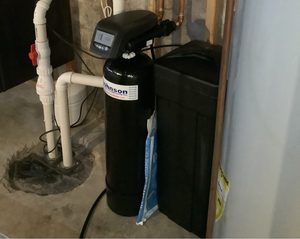
A working water softener should reduce the hardness minerals that cause scale, soap scum, spotting, and other familiar signs of hard water. When performance begins to decline, the changes are often noticeable around sinks, showers, dishes, laundry, and plumbing fixtures before the system stops working completely.
Below, this Pentair water softening company in Vernon Hills, Illinois is going to explain how to tell whether your water softener is doing its job and which signs may indicate that the system needs attention.
What Are the Signs That My Water Softener Is Working?
Start with the water itself.
Softened water generally allows soap and shampoo to lather more easily, leaves less mineral residue on fixtures, and reduces hard-water spotting on dishes and glassware. You may also notice less scale forming around faucets and showerheads.
If those benefits have been consistent since your system was added, that is a good indication that the softener is functioning.
A full-service Pentair water softening company in Vernon Hills, Illinois can also test your water hardness to confirm whether the system is reducing minerals as expected.
Why Am I Seeing Hard-Water Spots Again?
The return of mineral spots can be an early warning that something has changed.
Look at shower doors, faucets, sinks, and freshly washed glasses. If white or cloudy deposits begin appearing after they had previously been reduced, the softener may not be treating the water effectively.
One isolated spot does not necessarily indicate a system failure, but a noticeable pattern throughout the home deserves attention.
Should There Always Be Salt in the Brine Tank?
A salt-based water softener needs an adequate salt supply to regenerate properly.
Check the brine tank periodically rather than waiting until it is completely empty. If salt levels become too low, the system may be unable to complete the regeneration process that restores its ability to remove hardness minerals.
You should also look for unusual conditions inside the tank, such as a hardened salt bridge that makes the tank appear full even though the system cannot access the salt underneath.
How Can I Tell If the Softener Is Regenerating?
Most water softeners regenerate periodically based on water use, system settings, or a programmed schedule.
During regeneration, you may hear water moving through the equipment at a time when household fixtures are not being used. The brine tank’s water level may also change during different stages of the cycle.
If the system never seems to regenerate, regenerates unusually often, or displays an error message, it may need to be checked.
Can Changes in Soap and Laundry Be a Clue?
Yes. Everyday routines often reveal changes in water hardness surprisingly quickly.
Soap that suddenly produces less lather, laundry that feels stiffer, or mineral residue returning to sinks and tubs may indicate that more hardness minerals are passing through the system.
For households in Vernon Hills, Illinois, comparing these changes with how the water normally behaves can be one of the easiest ways to recognize declining softener performance.
Should I Test the Hardness of My Water?
Testing provides a more objective answer than relying only on appearance or feel.
Water hardness can be measured before and after treatment to determine whether the softener is reducing calcium and magnesium effectively. If softened water tests much harder than expected, the system may need adjustment, maintenance, or repair.
Testing can also help separate a true softener problem from another water-quality issue that produces similar symptoms.
Why Would a Water Softener Stop Working Properly?
Several issues can interfere with normal operation.
Low salt, salt bridging, incorrect settings, a clogged injector, problems with the control valve, resin-related issues, or changes in household water use can all affect performance.
The age and maintenance history of the equipment matter as well.
An experienced Pentair water softening company in Vernon Hills, Illinois can inspect the equipment, review its settings, test the treated water, and identify what is preventing the system from performing normally.
Looking for a Pentair Water Softening Company in Vernon Hills, Illinois?
Returning scale, reduced soap lather, hard-water spots, unusual regeneration behavior, or unexpectedly hard treated water can all signal a problem. A professional Pentair water softening company in Vernon Hills, Illinois can determine whether your system needs maintenance, adjustment, repair, or replacement.
At Johnson Water Conditioning, we service water softening systems with the goal of restoring dependable performance and better water throughout the home. Contact our team to have your system evaluated and find out whether it is operating the way it should.